
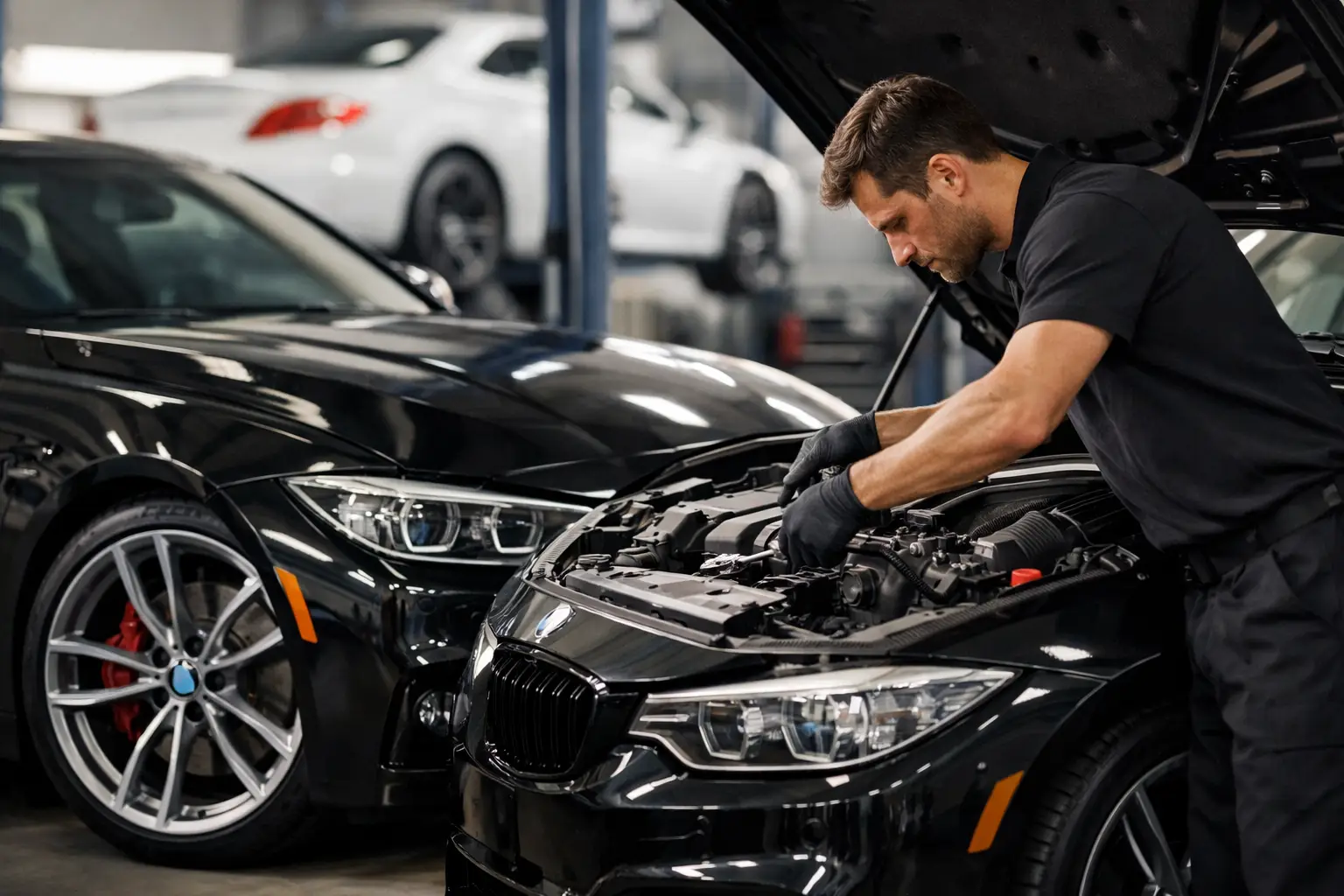
A warning light on a BMW, a rough shift in an Audi, or an air suspension message in a Range Rover can feel like the start of an expensive dealership visit. The right European car repair approach starts somewhere more useful: with accurate testing, a clear explanation of what the vehicle needs, and a plan that respects both its engineering and your budget.
European and luxury vehicles are rewarding to own because they are designed around performance, comfort, safety, and technology. Those same qualities also make proper maintenance more specialized. A repair shop needs more than general automotive knowledge to service these vehicles well. It needs manufacturer-grade diagnostic equipment, experience with brand-specific systems, and technicians who understand how one fault can affect several systems at once.
Why European Car Repair Requires a Specialist
Many premium imports use integrated electronic systems that monitor engine operation, transmission behavior, braking, steering, climate control, driver-assistance features, and more. When a warning light appears, the stored fault code is often only the starting point. A code may point to a sensor reading, for example, but the underlying cause could be wiring, a vacuum leak, a failing component, software calibration, or a related mechanical issue.
That is why replacing parts based on a code alone is rarely a sound repair strategy. Proper diagnostics involve confirming the concern, reviewing live vehicle data, inspecting related components, and testing before recommending a repair. It may take more time upfront, but it can prevent unnecessary parts replacement and repeat visits.
European vehicles also have service procedures that vary substantially by make and model. The correct oil specification for a Mercedes-Benz is not simply a preference. It can affect lubrication, emissions-system performance, and long-term engine health. Electronic parking brake procedures, battery registration, cooling-system bleeding, and service interval resets often require the proper tools and sequence. Details matter because these vehicles are engineered around them.
The Difference Between Maintenance and Repair
Owners sometimes delay maintenance because the car is driving normally. That can be understandable, especially when a vehicle has low mileage. Yet on many European vehicles, age, driving conditions, and fluid condition matter as much as the odometer.
Routine oil and filter service, brake inspections, fluid checks, spark plug replacement, cooling-system inspection, and suspension evaluations help identify smaller concerns before they become disruptive. A minor oil seepage, worn control arm bushing, or weakening battery may not immediately change the way a car feels. Left alone, though, each can contribute to more serious issues or leave you dealing with a breakdown at the least convenient time.
Repair is different. It addresses a confirmed fault or worn component that is affecting safety, reliability, comfort, or performance. The key is not to treat every recommendation as equally urgent. A trustworthy specialist should explain what needs attention now, what can be monitored, and what maintenance will help avoid future trouble. That conversation gives you control without asking you to ignore a legitimate concern.
Warning Signs Worth Scheduling Promptly
Some symptoms deserve prompt professional attention, even if the vehicle still drives. These include a flashing check engine light, overheating, a burning smell, brake noise or vibration, loss of power, difficult starting, a transmission warning, coolant loss, or a suspension warning that changes how the vehicle sits or handles.
Less urgent symptoms can still be useful diagnostic clues. A new vibration at highway speed, intermittent climate control, a slow window, a dashboard message that comes and goes, or a small fluid spot under the vehicle all provide information. Describing when the symptom occurs – cold start, hard acceleration, turns, rain, highway driving, or after the vehicle sits overnight – can help the technician narrow the diagnosis faster.
What Quality Diagnostics Should Look Like
A quality visit should not feel mysterious. Before work begins, the shop should listen to your concern, inspect the vehicle as needed, and explain the diagnostic process. Some issues are straightforward. Others require additional testing because the original symptom may have several possible causes. Honest communication about that difference matters.
Once the cause is confirmed, you should receive a clear recommendation. That includes what is wrong, why it matters, which parts and labor are involved, and whether there are options based on your vehicle’s condition and your plans for ownership. For a long-term owner, preventive work completed during an already scheduled service may make sense. For someone preparing to sell a vehicle soon, the best choice may be different.
OEM or OEM-quality parts are also a significant part of the equation. Not every component should be treated the same way. Some aftermarket parts are suitable when they meet the required standards; others may not fit, perform, or last as intended. A European specialist should know where quality alternatives are appropriate and where original equipment is the better value.
Common Systems That Need Expert Attention
Engine performance concerns are often tied to ignition, fuel delivery, air intake, cooling, sensors, or emissions-related components. Modern turbocharged European engines are especially dependent on precise air and fuel management. An intermittent hesitation or reduced-power message should be tested carefully rather than dismissed as a minor annoyance.
Brake service involves more than replacing worn pads. Premium vehicles may use electronic brake wear sensors, specialized rotors, performance brake materials, and electronic parking brake systems. The right parts and installation procedures help preserve pedal feel, stopping performance, and warning-system accuracy.
Steering and suspension work is equally important to the driving experience. A vehicle that clunks over bumps, pulls to one side, rides harshly, or feels unstable at speed may have worn bushings, shocks, struts, control arms, wheel bearings, alignment concerns, or air-suspension faults. These issues can affect tire wear and handling long before they become severe enough to make the vehicle undrivable.
Electrical diagnostics have become a major part of modern luxury vehicle service. Batteries, charging systems, modules, wiring, sensors, and convenience features communicate across complex networks. A low-voltage condition alone can create a surprising number of warning messages. Testing the entire system before replacing components can save time and expense.
A Dealer Alternative Should Still Meet High Standards
Choosing an independent shop does not mean lowering your expectations. For many owners in Palatine and the northwest suburbs, it means getting specialist-level care in a more personal setting. The goal should be dealership-quality workmanship without the pressure, vague explanations, or inflated service experience that customers sometimes encounter elsewhere.
At Wizard Werks, ASE-certified technicians use the appropriate diagnostic equipment and quality parts to service European and luxury brands, including BMW, Mercedes-Benz, Audi, Porsche, Volkswagen, Land Rover, Jaguar, Mini Cooper, Volvo, Bentley, Rolls-Royce, Lexus, and Acura. Just as important, recommendations are explained plainly, with attention to what your vehicle actually needs.
A strong warranty and documented service history can also provide confidence when you plan to keep a vehicle for years. Regular records show that the car has been cared for according to a thoughtful maintenance plan, which can support long-term reliability and help when it is time to sell or trade.
How to Get More From Every Service Visit
Bring useful context to your appointment. Let the shop know when the concern began, whether any warning lights appeared, what driving conditions trigger it, and whether prior work was performed recently. If you have maintenance records, they can help identify patterns and prevent duplicated service.
It also helps to think beyond the immediate complaint. If your vehicle is coming in for an oil service, ask about brake condition, tire wear, battery health, fluid leaks, and upcoming manufacturer-recommended maintenance. This does not mean approving every possible service at once. It means building a practical plan so expenses are anticipated rather than surprising.
The best European car repair experience is not about finding the lowest number on an estimate. It is about getting the right diagnosis, the right repair, and straightforward advice from people who understand what your vehicle was built to do. When your car receives that level of attention, every commute, weekend drive, and long trip can feel more like the ownership experience you expected in the first place.