
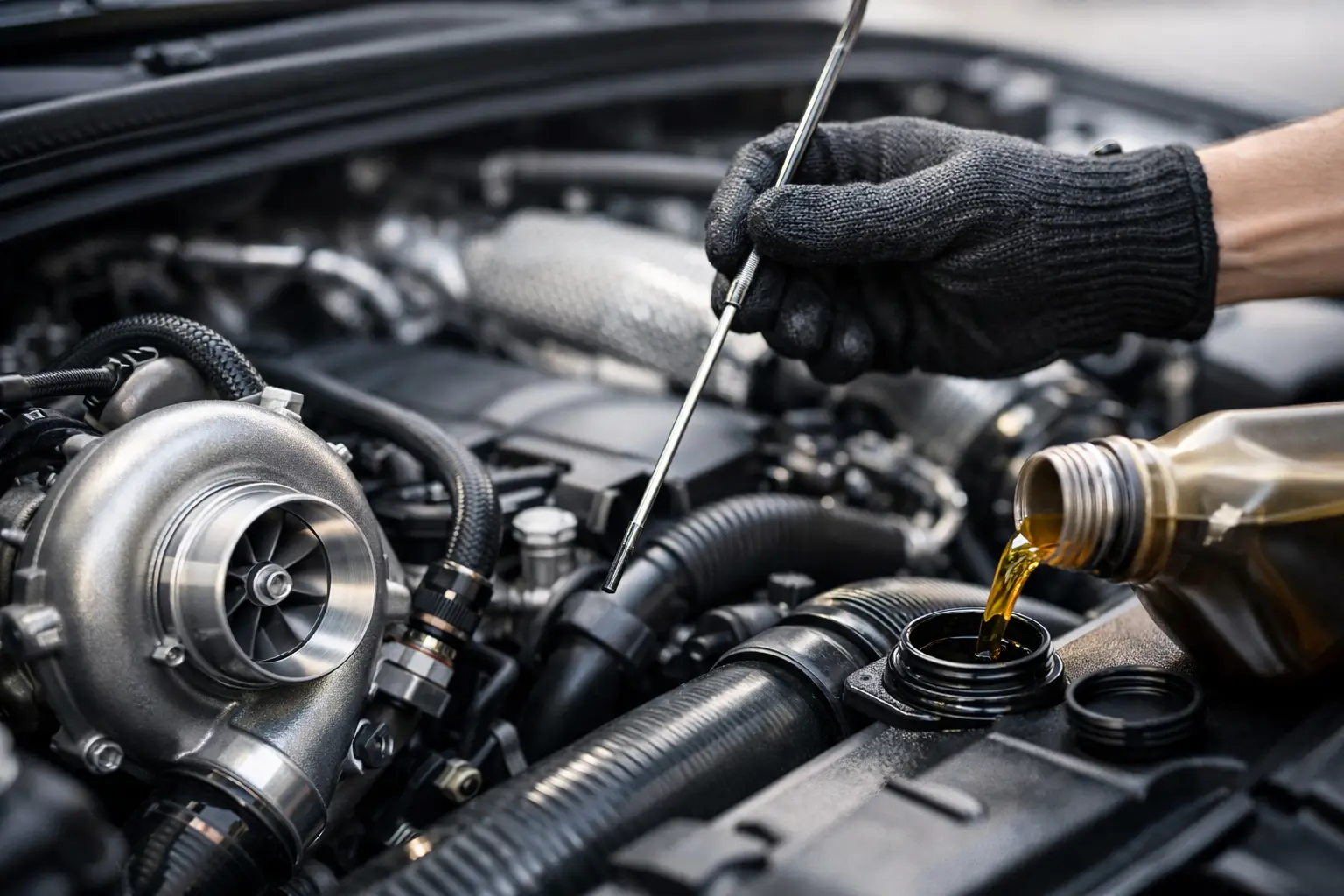
A turbocharger can spin well over 100,000 rpm while sitting beside one of the hottest parts of your vehicle. That is why knowing how to protect a turbo engine is less about babying your car and more about being precise with maintenance, oil quality, heat management, and early diagnostics. For BMW, Audi, Mercedes-Benz, Porsche, Volkswagen, and other premium imports, those habits preserve the responsive power you expect without inviting avoidable repair costs.
How to Protect a Turbo Engine Starts With Oil
Turbochargers depend on a steady supply of clean oil. The oil lubricates the turbocharger’s center section and helps manage extreme operating temperatures. When oil breaks down, becomes contaminated, or falls below the proper level, the turbo can be one of the first components to suffer.
Follow the oil specification assigned to your exact engine, not simply a generic viscosity printed on a bottle. European turbo engines often require manufacturer-approved full synthetic oil with particular performance approvals. Those approvals address factors such as high-temperature stability, deposit control, and compatibility with modern emissions systems.
Oil change intervals also deserve a realistic conversation. The longest factory interval may be appropriate for some drivers, but short trips, heavy traffic, frequent cold starts, spirited driving, and harsh Midwest weather can all be harder on the oil. A qualified European vehicle specialist can recommend an interval based on your model, mileage, and actual driving pattern. The goal is not unnecessary service. It is protecting expensive, closely engineered components with a maintenance plan that fits how you use the vehicle.
Check the oil level between services, particularly if your vehicle has higher mileage or consumes some oil by design. A dashboard message should be addressed promptly, not put off until the weekend.
Let the Engine Warm Up Naturally
Modern turbocharged vehicles do not need a long idle in the driveway. In fact, extended idling can be less useful than many owners assume. Start the vehicle, give it a brief moment to stabilize, and drive gently until the engine reaches operating temperature.
The key is to avoid demanding full boost from a cold engine. Cold oil flows differently, and the engine, turbocharger, and related components have not yet reached their intended operating clearances. Moderate acceleration for the first several minutes is usually the better approach.
This matters especially on a cold Illinois morning. It may take longer for oil temperature to rise than coolant temperature, so a normal-looking temperature gauge does not always mean the engine is ready for aggressive driving. If your vehicle displays oil temperature, use that information. If it does not, give it some time and drive smoothly.
Manage Heat After a Hard Drive
Heat is part of turbocharged performance. The concern is not heat itself, but excessive heat that remains trapped after a demanding drive. If you have been towing, climbing, driving enthusiastically, or sitting in stop-and-go traffic on a hot day, finish with a few minutes of light driving when possible.
For most modern, water-cooled turbo systems, a long cooldown idle is not routinely necessary. Many vehicles use electric coolant pumps or other systems that continue managing temperatures after shutdown. Still, shutting off immediately after a hard run can be tougher on the turbocharger than a calm final stretch of driving. The practical rule is simple: drive gently before parking after high-load use, and follow the instructions in your owner’s manual for your specific vehicle.
Use Quality Fuel and Do Not Ignore Misfires
Premium fuel is not a marketing upgrade when your vehicle requires it. Turbocharged engines use pressurized intake air, and the correct octane rating helps prevent knock under load. Repeated knock events can force the engine management system to pull timing, reduce performance, and place additional stress on the engine.
Use the octane grade specified by the manufacturer. Buying a higher grade than required will not necessarily create more power, while using a lower grade can be a bad trade-off in a performance-oriented import.
If the check engine light appears, the engine runs rough, or acceleration feels uneven, schedule diagnostics instead of continuing to drive hard. A misfire can come from spark plugs, ignition coils, injectors, intake leaks, fuel delivery concerns, or other issues. Under boost, a small problem can quickly become more noticeable. Accurate diagnostics are far better than replacing parts based on a guess.
Keep the Intake and Crankcase Systems Healthy
A turbocharger compresses the air entering the engine, so the entire intake path needs to remain properly sealed. A loose hose, split charge pipe, worn clamp, or leaking intercooler connection can cause a loss of power, unusual whistling, poor fuel economy, or a check engine light.
Air filter condition matters, too. A restricted filter can limit airflow, while an incorrectly fitted or damaged filter can allow unwanted debris into the intake tract. Use the correct filter and ensure the airbox and intake connections are properly secured after service.
The crankcase ventilation system, often called PCV, is another component worth monitoring. When it malfunctions, it can contribute to oil consumption, vacuum leaks, rough running, smoke, or pressure issues that affect seals and intake performance. These concerns are common enough on certain European engines that they should be part of a thoughtful inspection, not an afterthought.
Respect the Tune and Hardware on Your Vehicle
Performance software, modified intakes, upgraded downpipes, and other changes can increase boost and torque. That can be enjoyable, but it also changes the demands placed on the turbocharger, fuel system, cooling system, spark plugs, and engine internals.
A conservative, professionally developed calibration with supporting maintenance is very different from an unknown tune combined with overdue service. If you purchase a used luxury vehicle with modifications, have it inspected before assuming everything is operating safely. It is wise to identify the software and hardware installed, check for fault codes, inspect for boost leaks, and confirm that service needs have not been overlooked.
The same principle applies to hard driving. Your turbo engine is designed to perform, but frequent full-throttle acceleration before warm-up, repeated launches, and extended high-load driving increase wear. Enjoy the car, while giving its systems the conditions they need to do their job.
Watch for Early Turbocharger Warning Signs
Turbocharger problems do not always begin with a dramatic failure. Early symptoms can overlap with other engine or intake concerns, which is why professional testing matters. Pay attention if you notice any of the following:
- A noticeable loss of power or slow boost response
- New whistling, siren-like, rattling, or grinding noises during acceleration
- Blue or gray exhaust smoke, especially after idling or acceleration
- Persistent check engine lights, reduced-power warnings, or repeated underboost codes
- Rising oil consumption or fresh oil residue around turbo and charge-air plumbing
These symptoms do not automatically mean the turbocharger is at fault. A boost leak, sensor issue, ignition problem, PCV concern, or vacuum fault may create similar behavior. A proper inspection should include scan data, visual checks, pressure testing where appropriate, and an assessment of related systems. That process protects you from paying for parts you may not need.
Do Not Delay Cooling System Service
The cooling system supports more than cabin comfort and the temperature gauge. On many turbocharged luxury vehicles, coolant circuits help regulate turbocharger temperature as well as engine temperature. Low coolant, deteriorated hoses, leaking fittings, a weak water pump, or an aging thermostat can create heat-related risks that extend beyond a single component.
Address coolant warnings promptly, and do not assume a small leak is harmless. European cooling systems can use specialized coolant formulations and model-specific bleeding procedures. The right equipment and service information matter, particularly on vehicles with multiple cooling circuits.
Choose Brand-Specific Diagnostics
Modern turbo engines are managed by sophisticated software. A generic code reader may identify a broad fault, but it often cannot show the manufacturer-specific data needed to understand why that fault occurred. Boost target versus actual boost, fuel trims, ignition corrections, wastegate operation, temperature readings, and adaptation values can all help pinpoint the real issue.
That is where specialist service makes a difference. ASE-certified technicians using manufacturer-grade equipment can diagnose the system as a whole, explain what they found in plain language, and recommend only the work that makes sense. At Wizard Werks, that means dealership-level care with the transparent communication and personal attention local luxury vehicle owners expect.
Protecting a turbo engine is ultimately a series of smart, ordinary decisions: use the correct oil, let the car warm up under light load, give it an easy finish after hard driving, and investigate changes before they become expensive. Your vehicle was built to deliver confident performance. Consistent, informed care helps it keep doing exactly that.