
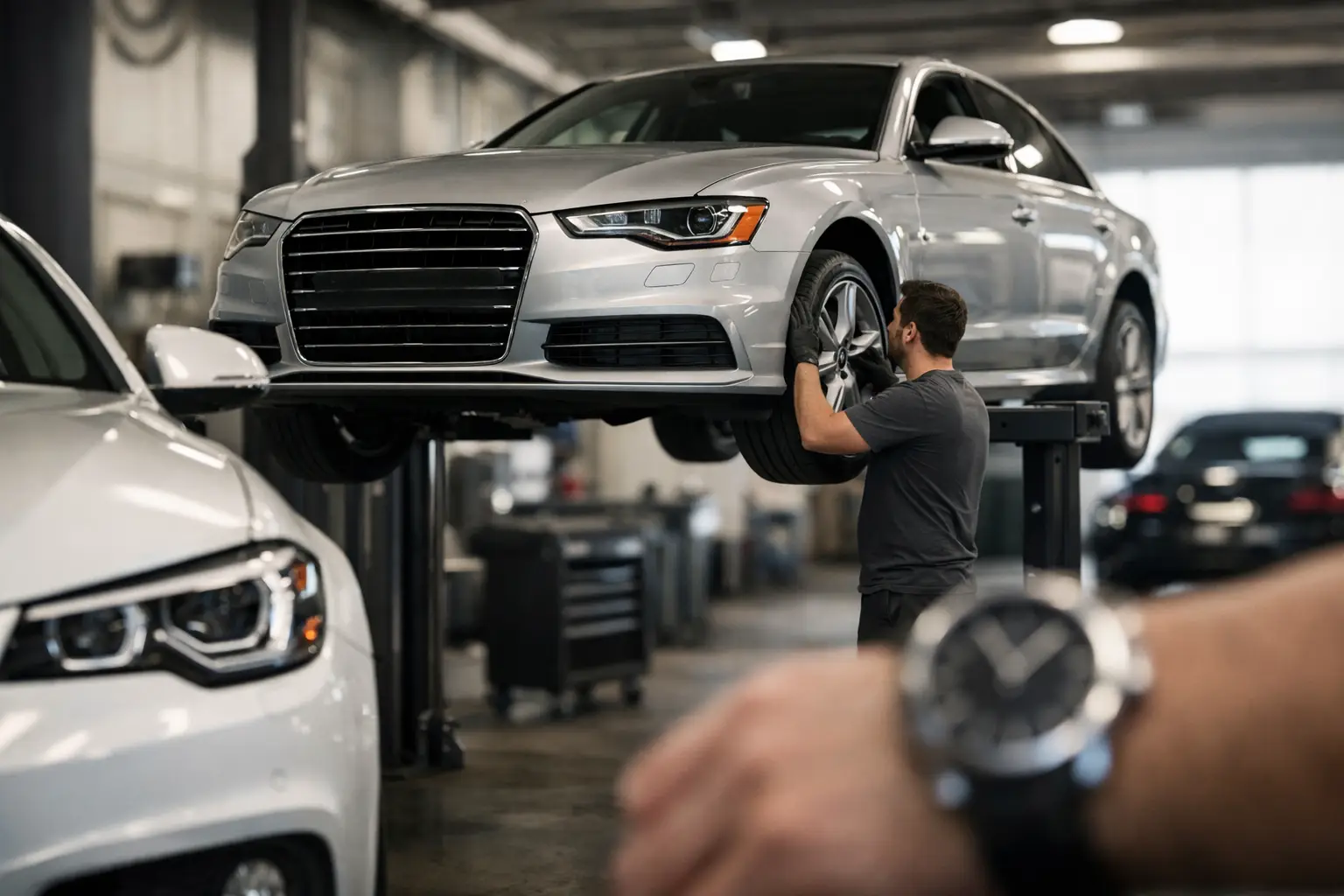
That dashboard reminder may say you still have miles to go, but when should European cars serviced in the real world? For many BMW, Mercedes-Benz, Audi, Porsche, Volkswagen, Land Rover, Volvo, and Mini owners, the honest answer is sooner than the factory interval suggests – especially if you drive in Chicago-area traffic, deal with cold winters, or keep your vehicle for the long haul.
When should European cars be serviced based on real use?
European vehicles are built with tight tolerances, advanced electronics, and brand-specific service requirements. That is part of what makes them drive so well. It is also why maintenance timing is not something to guess at or stretch just because the car still feels fine.
Many manufacturers now use condition-based service systems that monitor mileage, time, and driving habits. On paper, that sounds simple. In practice, two drivers with the same model can need service at very different times. A vehicle used for short trips in winter and stop-and-go commuting will usually need attention sooner than one driven mostly on longer highway routes.
As a general rule, most European cars should be inspected at least once a year or every 10,000 miles, whichever comes first. For oil service, many experienced specialists recommend a shorter interval than the maximum factory schedule, often around 5,000 to 7,500 miles depending on the engine, the oil specification, and how the car is driven. That approach is not upselling. It is preventative care designed to protect performance and reduce the chance of bigger repair bills later.
Factory intervals are a starting point, not the whole story
One of the most common misunderstandings with European vehicles is assuming the onboard reminder is the only schedule that matters. It matters, but it is not the whole picture.
Factory service intervals are often designed around ideal operating conditions and ownership periods that may be shorter than yours. If you lease a vehicle and turn it in after a few years, extended intervals may seem reasonable. If you plan to keep your Audi, BMW, or Mercedes well past 100,000 miles, a more proactive approach usually makes more sense.
Fluids break down over time even when mileage stays low. Rubber seals age. Batteries weaken. Brake fluid absorbs moisture. Coolant, spark plugs, filters, suspension components, and driveline parts all wear on their own timelines. A quality inspection catches these items before they affect reliability, safety, or drivability.
That is why service should be based on more than mileage alone. Time, usage, climate, and vehicle age all matter.
Driving conditions that shorten service intervals
If your vehicle sees mostly easy highway driving, you may stay closer to the standard schedule. If not, shorter intervals are often the safer move.
Frequent short trips are hard on European engines because the oil may not fully reach and maintain operating temperature long enough to burn off moisture and contaminants. Stop-and-go traffic puts extra heat into cooling systems, brakes, and transmissions. Cold starts during Illinois winters add wear, especially when they happen day after day.
Performance driving is another factor. Turbocharged engines, sporty suspensions, and high-output braking systems are built to perform, but they also place greater demands on fluids and wear items. Even spirited daily driving can move maintenance forward.
Low mileage does not always mean low maintenance
Some luxury car owners drive only a few thousand miles per year and assume service can wait. That is not always true.
A low-mileage Range Rover, Porsche, or Jaguar that sits often may still need annual oil service, battery testing, brake fluid service, and inspections for leaks, tire aging, and electronic issues. Infrequent use can create its own problems. Seals can dry out, batteries can discharge, and moisture can collect where you do not want it.
For that reason, a calendar-based service plan is just as important as a mileage-based one.
Key services European cars commonly need
There is no single schedule that fits every model, but some patterns are consistent across European makes.
Oil and filter service is one of the biggest examples. Modern European engines often run hotter, use turbocharging, and depend on precise lubrication. Waiting too long between oil changes can increase sludge buildup, accelerate wear, and affect timing components or turbo performance.
Brake fluid service is another item drivers tend to overlook. On many European vehicles, brake fluid should be replaced about every two years regardless of mileage. Because brake fluid absorbs moisture, delaying service can affect braking feel and contribute to internal corrosion.
Cabin and engine air filters, spark plugs, coolant service, transmission and gearbox service, and suspension inspections all follow different intervals depending on brand and model. BMW and Mercedes may have one maintenance rhythm. Audi and Volkswagen may have another. Porsche, Land Rover, and Volvo each bring their own requirements as well. That is why a generic quick-lube schedule is rarely enough for these vehicles.
Warning signs your car should be serviced sooner
Sometimes the answer to when should European cars be serviced is simple: now.
If you notice a change in how the car starts, idles, brakes, shifts, steers, cools, or handles, it is worth having it checked before the issue grows. European vehicles are very good at giving early hints, even when they are subtle.
Pay attention to warning lights, of course, but also to less obvious changes. A rough idle, slower acceleration, suspension noise over bumps, a burning smell, weak air conditioning, increased oil consumption, or even a new vibration at highway speed can all point to service needs. On premium vehicles, small symptoms often connect to larger systems. Early diagnostics usually save time and money.
Why specialized inspections matter
This is where European car ownership is different from owning a basic commuter vehicle. The systems are more integrated, and the correct diagnosis often depends on brand-specific scan tools, software knowledge, and experience with common failure patterns.
An inspection should not be a vague once-over. It should include a clear review of maintenance history, a check for model-specific concerns, and honest recommendations based on what the car actually needs. Good service is not about replacing everything early. It is about knowing what deserves attention now, what can wait, and what should be monitored.
A smarter maintenance rhythm for long-term ownership
If you want a practical answer, this is the rhythm many long-term European vehicle owners follow.
Have the car inspected at least once a year. Change oil more conservatively than the maximum factory interval if your driving is severe, your engine is turbocharged, or you plan to keep the vehicle for years. Stay current on brake fluid, filters, spark plugs, and other scheduled maintenance based on your specific make and model. Do not ignore small drivability changes just because the car is still running.
That approach usually costs less over time than waiting for warning lights or obvious failures. It also protects the driving feel that made you buy a European vehicle in the first place.
For drivers in Palatine and the northwest suburbs, that often means building a relationship with a shop that understands these brands at a dealership level but communicates more clearly and works more personally. A specialist can help you balance factory recommendations with real-world use, so you are not over-servicing the car and not falling behind either.
So, when should European cars be serviced?
The best answer is this: service them on schedule, inspect them annually, and adjust timing for how you actually drive. If your vehicle sees short trips, heavy traffic, winter weather, performance use, or extended ownership, earlier maintenance is usually the wiser choice.
European cars reward attentive care. When service is done at the right time, they stay smoother, safer, and more enjoyable to own. And if you are ever unsure whether your vehicle can wait or should come in now, it is better to ask early than pay for waiting later.