
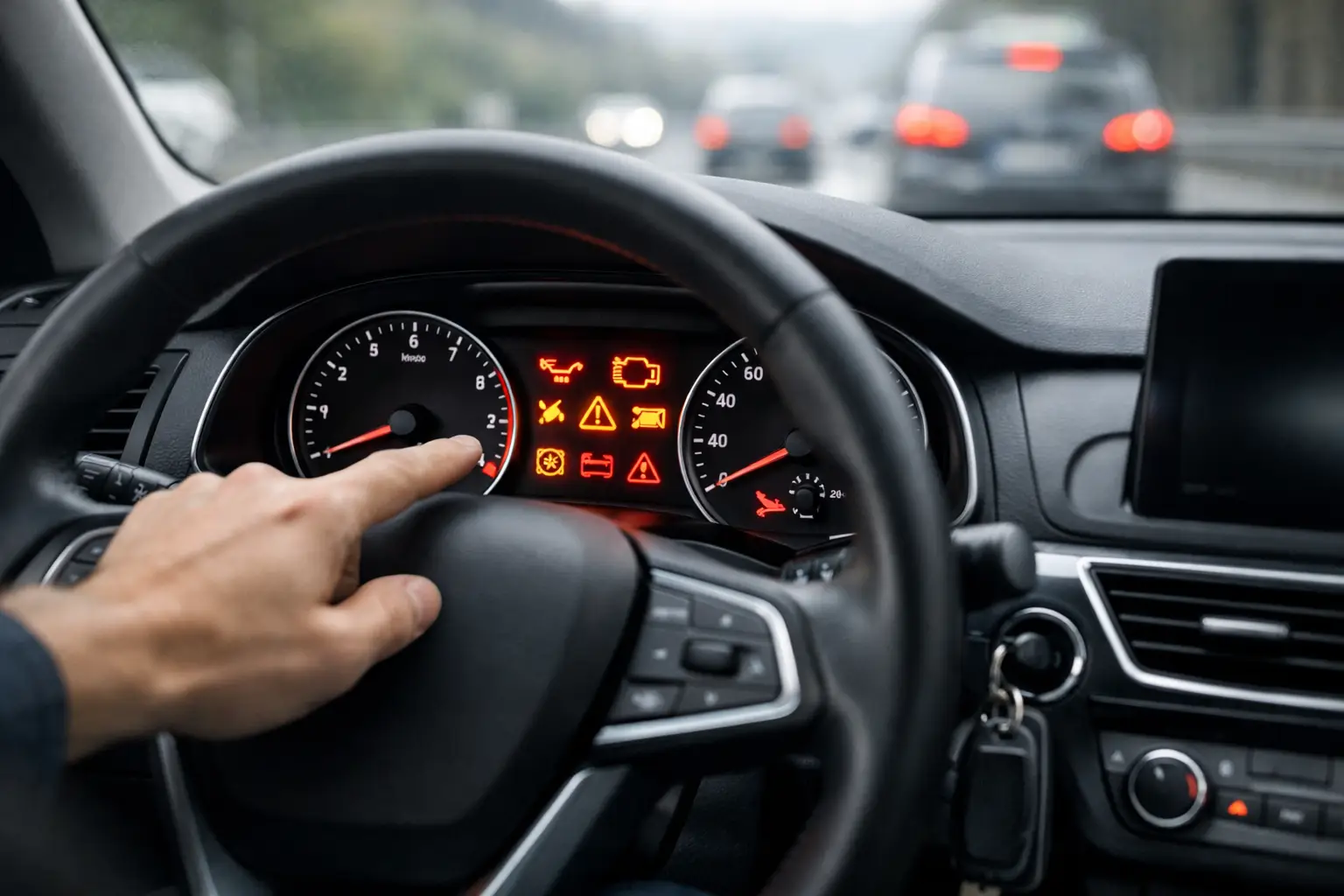
That small symbol in your BMW, Mercedes-Benz, Audi, Porsche, or Land Rover instrument cluster can mean anything from “schedule service soon” to “pull over now.” The top European car warning lights are designed to protect sophisticated systems, but the message behind a light is not always obvious. Knowing which alerts require immediate action can prevent a minor issue from becoming an expensive repair.
European vehicles use advanced sensors, control modules, and manufacturer-specific software to monitor performance. That makes their warning systems useful, but it also means a generic code reader or a guess based on a dashboard icon may not tell the full story. The color of the warning light, the way the vehicle is driving, and any related messages all matter.
How to Read Top European Car Warning Lights
A simple rule applies to most modern luxury vehicles: red means stop and assess the situation as soon as it is safe; yellow or amber means the vehicle needs attention soon; green, blue, or white generally indicates that a system is active or informational.
That rule is helpful, but it is not absolute. A yellow check engine light on a Volkswagen may allow you to drive carefully to a repair facility, while a flashing check engine light can indicate an active misfire that may damage the emissions system. Likewise, some BMW and Mercedes-Benz alerts appear in yellow first, then become red if the condition worsens.
Do not rely on color alone. If the vehicle has reduced power, unusual noises, smoke, a burning smell, overheating, poor braking, or difficult steering, stop driving even if the warning is not red. A warning light is one part of the diagnosis, not the diagnosis itself.
Red Warning Lights: Do Not Ignore Them
Oil Pressure Warning
An oil-can symbol in red is one of the most serious alerts on any European vehicle. It usually indicates low oil pressure, which is different from a low oil level message. The engine may not be receiving the lubrication it needs to protect moving components.
Pull over safely, turn the engine off, and avoid restarting it until the issue has been evaluated. Adding oil without confirming the cause can be risky because leaks, sensor faults, circulation problems, or the wrong oil specification may be involved. European engines often have precise oil requirements, so use only the correct approved oil if topping off is appropriate.
Engine Temperature or Coolant Warning
A red thermometer icon, overheating message, or temperature gauge in the danger zone means the cooling system needs immediate attention. Continuing to drive while overheating can cause severe damage quickly, especially in turbocharged or high-performance engines.
Turn off the air conditioning, pull over when safe, and shut the vehicle down. Never remove a coolant cap on a hot engine. Coolant systems operate under pressure, and hot coolant can cause serious burns. A low coolant level may be the visible symptom, but a thermostat, water pump, radiator fan, leak, or electronic control issue could be the underlying cause.
Brake System Warning
A red brake warning light may indicate that the parking brake is engaged, but it can also point to low brake fluid or a fault in the hydraulic brake system. If the light stays on after releasing the parking brake, or if the brake pedal feels soft, travels farther than normal, or braking performance changes, do not continue driving.
Modern BMW, Audi, Mercedes-Benz, and Porsche vehicles often combine hydraulic brakes with electronic safety systems. Proper testing is needed to identify whether the problem involves fluid level, a sensor, an electronic parking brake component, or another system fault.
Battery or Charging System Warning
The battery symbol does not necessarily mean the battery itself has failed. It usually means the vehicle’s charging system is not charging correctly while the engine is running. On European cars, the cause can range from a worn battery or alternator issue to a belt concern, wiring problem, or battery-management fault.
You may be able to drive a short distance, but the vehicle can eventually lose electrical power and shut down. Reduce electrical loads where possible and arrange professional diagnosis promptly. Do not assume a new battery will solve the problem without testing the complete charging system.
Yellow and Amber Lights That Need Prompt Attention
Check Engine Light
The check engine light can represent a long list of conditions, including an emissions issue, ignition fault, air leak, fuel-system concern, sensor failure, or a problem within a manufacturer-specific control system. If the light is steady and the vehicle feels normal, schedule diagnostics soon rather than waiting for the next service interval.
If it flashes, especially with shaking, rough running, or reduced power, stop driving when safe. A flashing light often signals an active misfire. Continuing to drive can lead to a more costly repair.
A quality diagnostic process goes beyond reading a stored fault code. Technicians need to review live data, freeze-frame information, test related components, and understand the patterns common to your vehicle’s brand and engine. That is why specialized diagnostic equipment matters.
ABS, Traction Control, and Stability Control Lights
An ABS light means the anti-lock braking system may be disabled, even though normal braking may still be available. A traction or stability control light can mean the system is actively working on a slippery surface, which is normal if it flashes briefly. If it stays illuminated, the system may have stored a fault.
The trade-off is safety support. Your vehicle may still move and stop, but it may not provide its usual assistance during hard braking, wet roads, or emergency maneuvers. Wheel-speed sensors, steering-angle sensors, control modules, brake components, and low voltage can all contribute to these warnings.
Tire Pressure Monitoring System Warning
A yellow tire-pressure symbol with an exclamation point usually means one or more tires are low. Check tire pressures when the tires are cold and use the pressure listed on the driver-side door-jamb label, not the maximum pressure printed on the tire itself.
If the warning returns after inflation, inspect for a puncture or leak. On many European vehicles, the system may need to be reset through the infotainment screen after pressures are corrected. If the light flashes before staying on, the vehicle may be reporting a sensor or system fault rather than low pressure.
Service, Drivetrain, or Reduced-Power Messages
Messages such as “Drivetrain Malfunction,” “Engine Power Reduced,” “EPC,” or “Service Now” deserve attention even when the vehicle still drives. These alerts are common examples of how European manufacturers communicate a fault in plain language, though the exact wording varies by brand.
The vehicle may limit performance to protect itself. It can be tempting to keep driving if the warning disappears after restarting, but an intermittent problem can still leave diagnostic evidence in the vehicle’s modules. Scheduling service while the information is stored often makes diagnosis faster and more accurate.
Brand-Specific Messages Need Brand-Specific Diagnostics
A dashboard icon can look similar across makes, but the repair path may be very different. Mercedes-Benz may display a detailed message in the instrument cluster, BMW may present a check-control alert, and Audi or Volkswagen may use EPC or drivetrain language. Range Rover and Land Rover models can also show suspension, terrain-response, or air-suspension warnings that require careful evaluation.
This is where a specialist can save time and uncertainty. Manufacturer-grade scan tools communicate with far more vehicle modules than a basic reader and can perform guided testing, calibrations, resets, and service procedures when needed. At Wizard Werks, that approach supports clear recommendations based on the actual fault, not a guess or unnecessary parts replacement.
What to Do When a Warning Light Appears
Start by staying calm and paying attention to how the vehicle feels. A red warning, flashing check engine light, overheating condition, brake concern, or loss of steering assistance calls for stopping safely and arranging help. For an amber light with normal drivability, take a photo of the message, note when it appeared, and schedule an inspection soon.
Avoid repeatedly clearing alerts or disconnecting the battery to make a light disappear. Doing so can erase useful diagnostic information and may reset vehicle adaptations or readiness monitors. It can also delay finding a fault that is beginning to worsen.
Keep a record of any related symptoms: hard starts, rough idle, vibration, coolant loss, a change in fuel economy, warning chimes, or a message that appears only in certain weather. Those details help a technician narrow the issue efficiently.
Your European vehicle is built to communicate when something needs attention. Treat that warning as an early opportunity to protect the performance, comfort, and reliability you expect from it.