
You usually feel a slipping transmission before you can describe it. The engine revs, the car hesitates, and something about the shift just feels off. If you are wondering how to spot transmission slipping, that instinct matters. In many European and luxury vehicles, early symptoms can be subtle at first, then become expensive if they are ignored.
Transmission problems rarely announce themselves with one dramatic failure. More often, they show up as small changes in drivability – a delayed shift leaving a stoplight, a flare in RPM between gears, or a vehicle that seems unsure of when to upshift. For drivers who know how their BMW, Mercedes, Audi, Porsche, Land Rover, or Lexus normally behaves, those changes are often the first real warning.
How to spot transmission slipping in real driving
Transmission slipping means the transmission is not holding or transferring power the way it should. Instead of engaging a gear cleanly, it may hesitate, partially engage, or shift in a way that feels loose or inconsistent. In practical terms, the engine speed rises, but the vehicle does not accelerate the way it should.
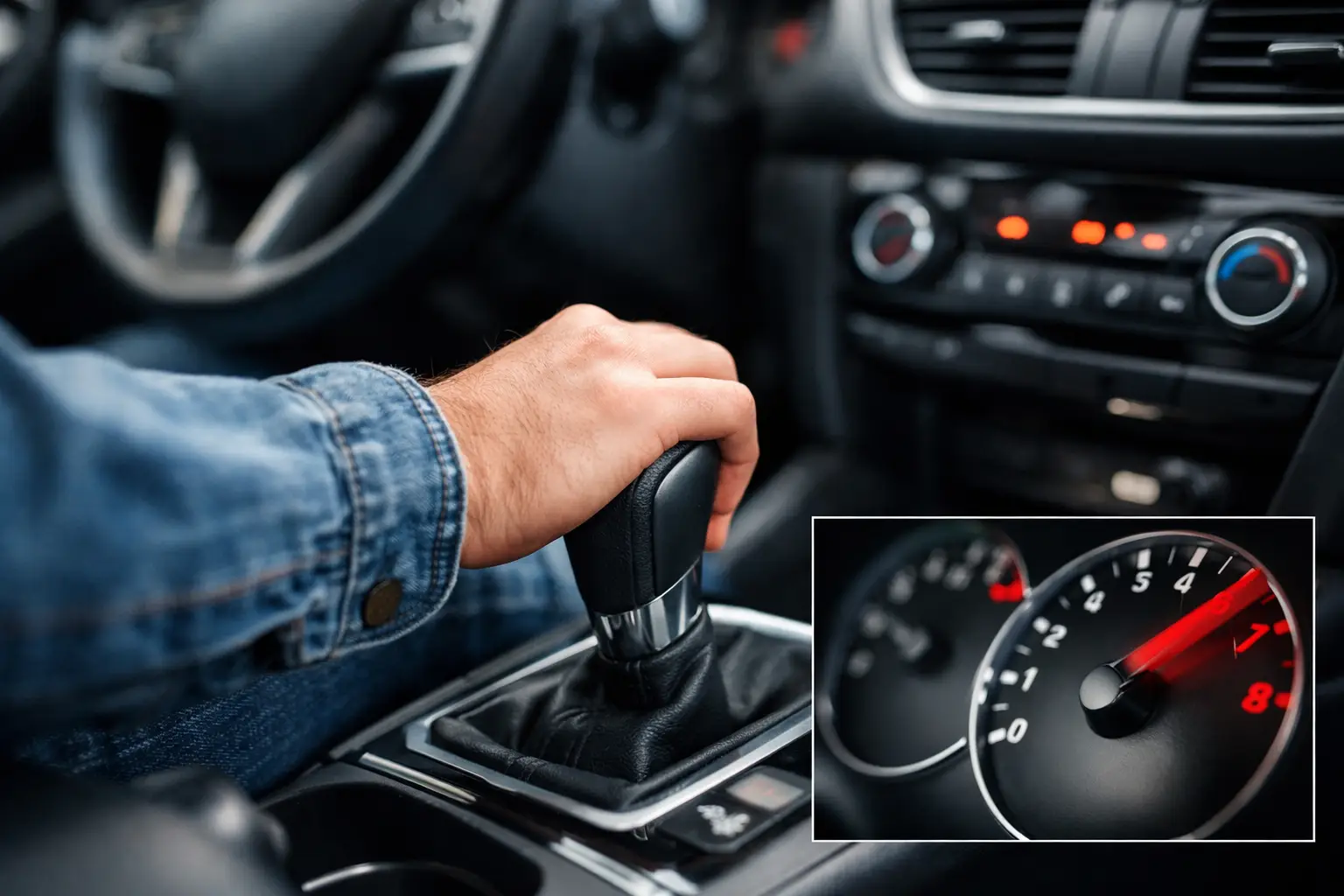
One of the clearest signs is RPM flare. You press the accelerator, the tachometer jumps, and the car does not move forward with matching force. That can happen during an upshift, while merging onto the highway, or when accelerating from a stop. Some drivers describe it as the car “thinking” too long before committing to the next gear.
Another common symptom is delayed engagement when shifting into drive or reverse. If you move the selector and there is a pause before the vehicle responds, that is not something to brush off. The same goes for a harsh engagement, where the transmission finally catches with a thump or jolt.
You may also notice inconsistent shifting. The vehicle might shift too early, too late, or hunt between gears. On modern imports with adaptive programming, some shift variation can happen based on driving style. But repeated hesitation, surging, or gear confusion is different. That usually points to a problem that needs proper diagnostic testing, not guesswork.
Common signs beyond slipping itself
Not every transmission issue feels exactly like a slipping gear. Sometimes the warning signs are indirect.
A burning smell is one example. Transmission fluid helps with lubrication, cooling, and hydraulic function. If it overheats, it can develop a sharp, burnt odor. That smell does not confirm one single fault, but it does tell you the system may be under stress.
Fluid leaks matter too. Reddish or dark fluid under the vehicle can signal a leak that lowers fluid level and affects transmission performance. Some vehicles use fluid colors that vary by manufacturer, so color alone is not a perfect guide. The bigger issue is any active leak tied to drivability changes.
You might also see a warning light or a transmission malfunction message on the dash. In European vehicles especially, control modules often detect irregularities before the symptoms become severe. That is helpful, but only if the car is scanned with the right equipment and interpreted by technicians who understand the platform.
Vibration, shuddering, or a sudden loss of smoothness under light acceleration can also be related. That does not always mean the transmission itself is failing. It could involve fluid condition, software behavior, internal wear, or another driveline issue. That is why accurate diagnosis matters so much.
What transmission slipping feels like by situation
The easiest way to identify a slipping transmission is to pay attention to when it happens.
If it happens from a stop, the car may hesitate before moving or feel weak even as RPM climbs. If it happens during cruising, you may feel the transmission shift, then briefly lose engagement before power returns. If it happens on hills or under heavier throttle, the engine may rev higher than expected without the normal pull.
Reverse can be especially revealing. A delayed or weak response when backing out of a driveway or parking spot is often one of the first symptoms drivers notice. Because reverse engagement should feel immediate and predictable, hesitation there deserves attention.
Cold starts versus warm operation can also tell you something. If the transmission acts up mainly when cold, fluid condition or pressure-related issues may be part of the picture. If symptoms get worse after the vehicle is fully warmed up, overheating or internal wear may be contributing. Either way, pattern matters.
What causes a transmission to slip?
Low or degraded fluid is one possible cause, and it is also one of the most overlooked. Transmission fluid does more than lubricate. It plays a direct role in pressure, clutch engagement, and temperature control. If the fluid is old, contaminated, or below the proper level, shifting quality can suffer quickly.
That said, fluid is not the only answer. On many premium vehicles, slipping can also be related to worn internal components, valve body issues, solenoid faults, sensor problems, clutch pack wear, torque converter concerns, or software and adaptation faults. Some transmissions are very sensitive to fluid specification and service procedure, so using the wrong fluid or an incomplete service approach can create new problems instead of solving the original one.
This is where brand-specific experience matters. A hesitation issue in a BMW ZF automatic may not present the same way as a dual-clutch concern in an Audi or a gearbox complaint in a Mercedes. Similar symptoms do not always point to the same repair path.
How to spot transmission slipping before it gets worse
The best early warning system is your normal driving routine. If your vehicle has always shifted cleanly and now it does not, that change is worth taking seriously. Pay attention to repeated symptoms, not just one odd shift on one cold morning.
Notice whether the problem is getting more frequent. A transmission that slips once every few weeks and then starts doing it every few days is giving you useful information. So is a vehicle that only acts up under load, only after warming up, or only in one gear range.
Listen, too. Whining, clunking, or unusual mechanical noises paired with poor shifting should move the issue up the priority list. You do not need to self-diagnose the cause. You just need to recognize that something has changed and have it checked before drivability worsens.
If you can safely do so, avoid hard acceleration tests to “see if it happens again.” Forcing a slipping transmission under load can increase heat and wear. A better move is to note the conditions when it occurs and bring that information to a qualified shop.
When you should stop driving and schedule service
Some transmission issues allow a small window for diagnosis before they become more serious. Others do not. If the vehicle is struggling to move, slipping badly in traffic, showing a transmission warning message, leaking fluid, or engaging with a hard bang, it is time to schedule service right away.
The same applies if the car feels unsafe pulling into intersections or merging onto highways. Transmission slipping is not just a comfort issue. It can affect predictability, acceleration, and control.
For European and luxury vehicles, early diagnostic work often saves money because it narrows the problem before secondary damage occurs. At Wizard Werks, that means using manufacturer-grade diagnostic equipment, checking fault data, reviewing fluid condition where applicable, and confirming whether the issue is mechanical, hydraulic, or electronic. Transparent diagnosis is the goal – not guessing, not upselling, and not treating every symptom like the same problem.
Why professional diagnosis matters
Online advice tends to oversimplify transmission problems. You will often see “just add fluid” or “it probably needs a flush.” Sometimes fluid service helps. Sometimes it does not. In the wrong situation, a generic approach can waste time and money.
Modern transmissions are integrated systems. They rely on software, sensor input, hydraulic pressure, and precise component operation. A proper evaluation looks at live data, fault history, adaptation values, operating temperature, and actual road behavior. That is especially important in vehicles built for refined performance, where subtle shift quality issues can point to very different underlying causes.
The value of a specialist is not just technical equipment. It is knowing how a specific make should feel when it is healthy, and recognizing when a symptom is normal behavior, a maintenance issue, or the start of a more significant fault.
If your vehicle has started revving without matching acceleration, hesitating between gears, or delaying engagement, trust what you are feeling. Catching transmission slipping early gives you more options, less stress, and a better chance of keeping your car driving the way it should.