
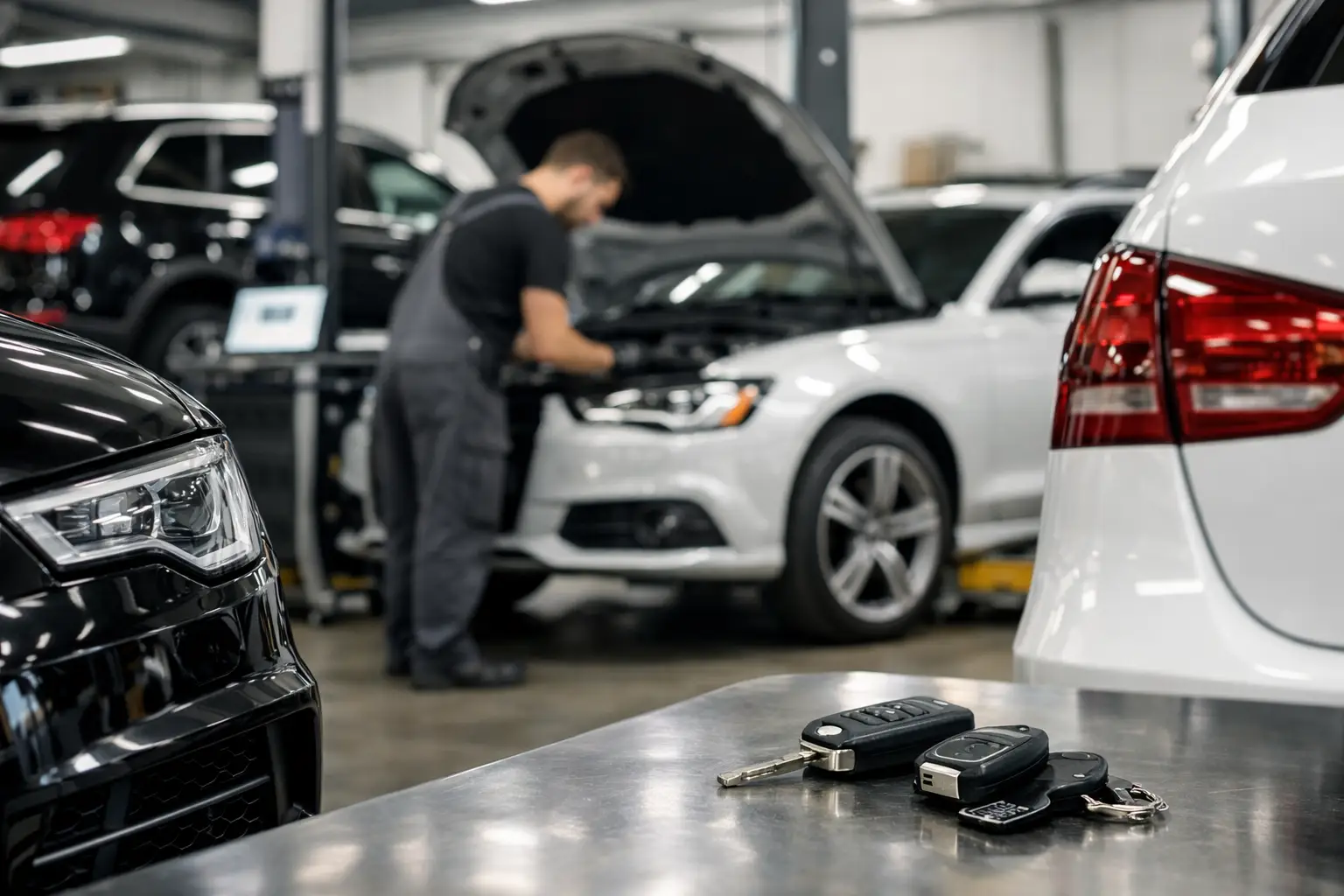
Your BMW throws a warning light on the way to work, or your Mercedes starts riding rough over roads it used to glide across. That is usually the moment people start searching for a german auto repair shop and hoping they can tell the difference between true specialists and a shop that simply says it works on imports. For European vehicles, that difference matters more than most owners realize.
German cars are engineered for performance, precision, and a very specific service approach. They reward proper care, but they can also expose shortcuts fast. The right shop helps you protect the way your vehicle drives, avoid repeat repairs, and keep maintenance costs reasonable without sacrificing quality.
What makes a german auto repair shop different
A true specialist is not just a general repair facility with a European badge on the wall. German brands like BMW, Mercedes-Benz, Audi, Porsche, and Volkswagen rely on complex electronics, brand-specific service procedures, and diagnostic systems that are far more involved than what many general shops handle every day.
That affects everything from troubleshooting a check engine light to servicing suspension components or correcting drivability issues. One warning message can have several possible causes, and guessing is expensive. A proper german auto repair shop invests in manufacturer-grade diagnostic equipment, follows the right test procedures, and understands the patterns common to these vehicles.
It also means knowing what not to do. A repair that seems acceptable on a domestic or economy car may create larger problems on a European vehicle. The goal is not just getting the car to leave the shop. The goal is restoring proper operation in a way that respects how the vehicle was designed.
Why specialization saves money over time
Many owners first look at price, which is understandable. Luxury and European vehicles are not cheap to maintain. But the lower estimate is not always the better value, especially if it comes from a shop without the tools or experience to diagnose the problem correctly the first time.
Misdiagnosis often leads to replaced parts that were never the issue, multiple visits for the same concern, and added labor that could have been avoided. That is where a specialist often becomes the more cost-effective option. A shop that knows German vehicles well can usually identify problems faster, recommend repairs more accurately, and help you prioritize what needs attention now versus what can be monitored.
This is one reason many owners choose an independent dealer alternative. You can still get high-level expertise, OEM-quality parts, and the correct service process without dealership pricing or the impersonal experience that sometimes comes with it. At a shop like Wizard Werks, the appeal is simple – specialized care, clear communication, and workmanship that reflects the standards your vehicle requires.
Signs you have found the right shop
If you are comparing repair facilities, start with the basics, but do not stop there. Certifications matter, especially ASE-certified technicians, because they show a commitment to professional standards. Experience with European and luxury brands matters just as much.
The better question is whether the shop works on your type of vehicle routinely, not occasionally. A shop that regularly services BMW, Audi, Mercedes-Benz, Porsche, Mini, Volkswagen, Land Rover, Jaguar, Volvo, Bentley, Lexus, and Acura will usually have stronger diagnostic instincts than one that sees those cars only now and then.
You should also pay attention to how the shop explains its process. Do they talk clearly about inspections, diagnostics, and repair recommendations? Do they separate urgent needs from routine maintenance items? Do they explain why a repair is needed instead of pushing a vague package of services? Transparency is a strong sign that the shop values long-term trust over one-time sales.
Warranty coverage matters too. A reputable specialist stands behind its work. That does not mean every repair will be inexpensive, but it does mean you should feel confident that the shop is accountable for the quality of its parts and labor.
What services a german auto repair shop should handle well
Most European vehicle owners are not looking for one-off repairs. They want a shop that can take care of the full life of the vehicle. That includes routine maintenance, electrical diagnostics, brake service, steering and suspension work, heating and A/C repair, oil and filter service, tune-ups, engine-related repair, and transmission or gearbox service.
The key is consistency. If one shop handles your maintenance and also understands your vehicle when something more complex happens, service becomes more efficient and less stressful. The technicians have context. They know the car’s history, can spot patterns early, and can help you make smarter decisions about timing and budget.
That is especially helpful with European vehicles because maintenance is not always just about mileage. Driving habits, weather, age-related wear, and known model-specific issues all play a role. A specialist can help you stay ahead of problems instead of reacting only when warning lights appear.
Questions worth asking before you book
You do not need to interrogate a shop, but a short conversation can tell you a lot. Ask whether they use OEM or equivalent-quality parts for your vehicle. Ask whether they have the right diagnostic equipment for your brand. Ask how they communicate findings and estimates.
It is also fair to ask whether they see your make and model often. A Range Rover owner may need something different from a Porsche owner, and a Mercedes owner may have different concerns than someone driving a Volkswagen or Mini Cooper. Familiarity with the platform matters.
Listen to how the answers sound. A trustworthy shop is usually direct. If a repair depends on inspection results, they will say so. If pricing can vary based on what diagnostics reveal, they will explain why. Honest shops do not promise certainty before they have enough information.
The dealership question
Some owners assume the dealership is always the safest option for a German car. Sometimes it makes sense, especially for certain warranty situations. But once a vehicle is out of factory coverage, many drivers start asking whether the dealership is truly giving them the best combination of expertise, value, and service.
That is where an independent specialist often stands out. You can still get technicians who understand European systems, use proper tools, and follow the right procedures. The difference is often in the experience. Independent shops tend to be more personal, more flexible, and more willing to have a real conversation about what your car needs right now and what can wait.
There is also less chance of feeling like a number in a queue. For busy professionals and families in Palatine and the northwest suburbs, that matters. Convenience is not just about location. It is about clear updates, realistic timelines, and knowing your concerns are being heard.
When a local specialist is the better fit
A local European repair shop is often the best fit if you plan to keep your vehicle for years, want to control ownership costs, and prefer straightforward recommendations. That is especially true for drivers who care about preserving performance without overpaying for every service visit.
A good specialist builds a relationship with you and your vehicle. Over time, that relationship becomes one of the biggest benefits. The shop learns your priorities. Maybe you want to stay ahead of every maintenance item. Maybe you are trying to plan repairs strategically over the next six months. Either way, the right team helps you make informed choices instead of pressuring you into unnecessary work.
That kind of trust is hard to measure on paper, but it changes the ownership experience. It turns vehicle service from a recurring frustration into something much more manageable.
Choosing with confidence
The best german auto repair shop is not always the closest one or the cheapest one. It is the one with the right mix of technical ability, honest communication, and day-to-day consistency. For European and luxury vehicles, that combination protects more than your budget. It protects reliability, resale value, and the driving experience that made you buy the car in the first place.
If your vehicle deserves specialist care, it is worth finding a shop that treats precision like a requirement, not a sales line. Once you do, every future service decision gets easier.