
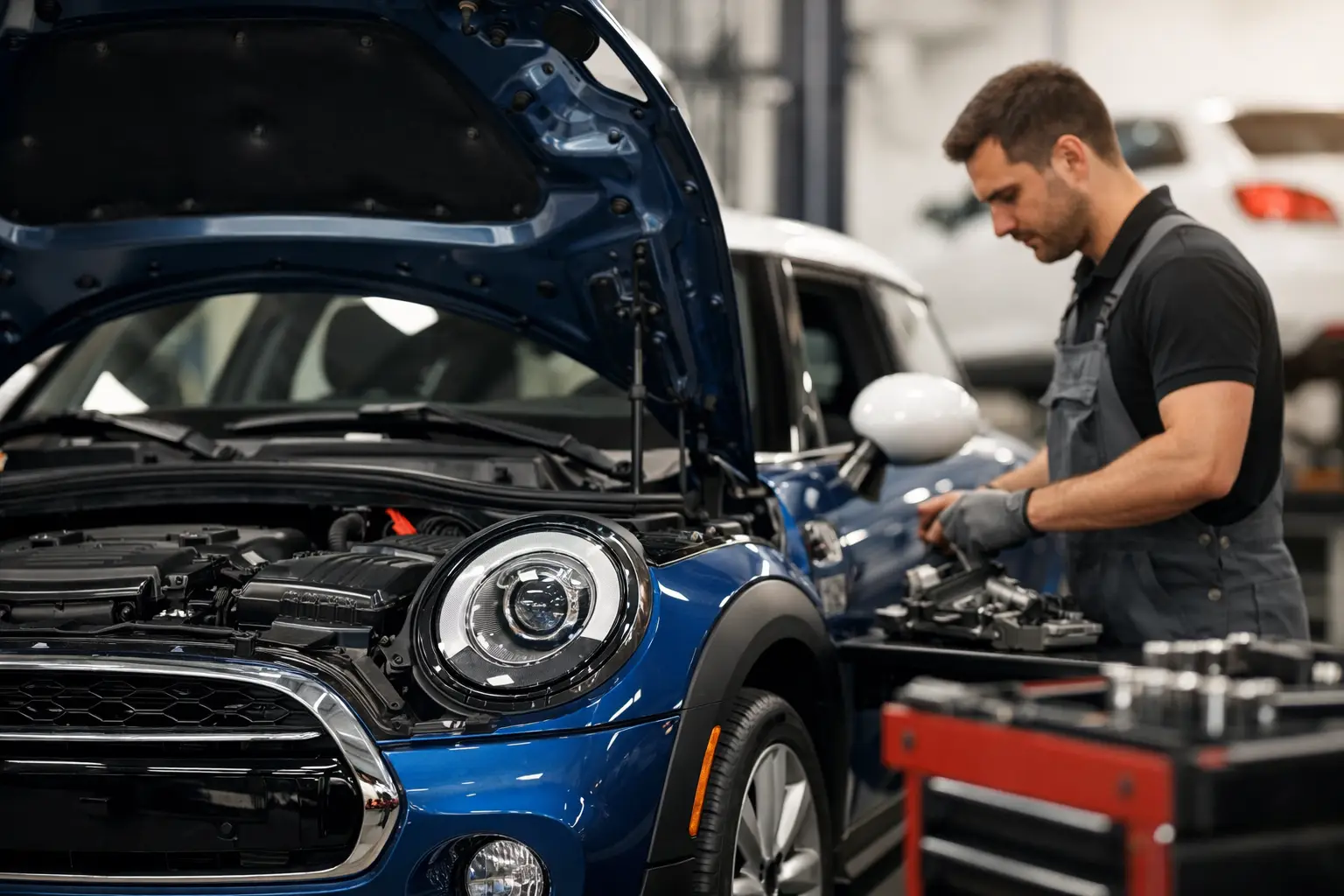
A Mini is small, quick, and genuinely fun to drive – right up until a warning light comes on or a small drivability issue turns into something bigger. That is why mini cooper repair is not something to treat like generic car service. These vehicles have their own patterns, their own electronics, and their own service needs, and getting the diagnosis right the first time matters just as much as the repair itself.
For many owners, the frustration is not just the repair bill. It is the uncertainty. Is the problem actually what the dealer says it is? Can an independent shop handle the software, diagnostics, and brand-specific systems correctly? The answer is yes, but only if the shop truly understands European vehicles and takes a transparent approach.
Why Mini Cooper repair needs a specialist
Mini models pack a lot of engineering into a tight space. That makes them enjoyable to drive, but it also means service can be less forgiving than it is on more conventional vehicles. Access can be tighter, components can be more integrated, and electrical issues often require more than a basic scan tool.
That is where experience makes a difference. A technician who works with European vehicles every day is more likely to recognize the difference between a failing component, a related symptom, and a problem that only looks major at first glance. That protects you from two expensive outcomes – replacing parts you do not need and waiting too long on a problem that is actually getting worse.
Dealer-level care does not have to mean dealer pricing. Many Mini owners simply want accurate diagnostics, quality parts, and clear communication. That is exactly what a good independent specialist should provide.
Common problems that bring Minis in for service
Not every Mini comes in with the same issue, but there are a few areas that show up more often than others. The key is catching them early, before performance drops or reliability becomes a daily concern.
Oil leaks and fluid-related concerns
Mini engines can develop leaks around gaskets, seals, and other aging components. Sometimes the first sign is a burning oil smell. Other times it is low oil level, residue under the hood, or spots where you park. A small leak can seem manageable for a while, but over time it can affect engine operation and create larger repair needs.
Cooling system problems can follow a similar pattern. A thermostat issue, water pump concern, or coolant leak might start with an occasional temperature fluctuation and then become a much bigger problem if ignored. Minis do not respond well to overheating, so any sign of coolant loss or rising temperature deserves prompt attention.
Check engine light and performance issues
A check engine light on a Mini can point to many things, from ignition and fuel system problems to sensor faults or air intake concerns. Rough idle, hesitation, reduced power, and poor fuel economy often show up alongside that warning light.
This is where diagnostics matter most. Clearing codes and guessing at parts is rarely the right approach. A proper evaluation looks at the fault history, tests the affected systems, and confirms the root cause before repairs begin. That saves time and usually saves money too.
Suspension, steering, and brake wear
Because Minis are designed to feel sporty and responsive, owners tend to notice suspension and brake issues quickly. Clunking over bumps, uneven tire wear, vibration while braking, or loose steering feel should not be brushed off as normal aging.
Some wear is expected on any vehicle, especially in Illinois road conditions. The question is whether the issue is simple maintenance or a sign of a related problem. A worn component in one part of the suspension can put extra stress on other parts, so a complete inspection matters.
Electrical and comfort-system faults
European vehicles often rely heavily on integrated electronics, and Mini is no exception. Battery-related issues, charging problems, sensor faults, window regulator failure, HVAC concerns, and intermittent electrical behavior all require a methodical diagnostic process.
Electrical repair is one area where general repair approaches can fall short. If a shop is not equipped for manufacturer-level diagnostics, small electrical issues can turn into repeated visits and unnecessary parts replacement.
When to schedule Mini Cooper repair instead of waiting
A lot of repair costs grow because the first symptom gets ignored. Mini owners who stay ahead of service usually spend less over time than owners who wait for a vehicle to force the issue.
Pay attention if you notice fluid spots, unusual noises, slower starting, dashboard warning lights, weak air conditioning, steering changes, or any drop in normal performance. Even if the car still feels drivable, those signs usually mean something has shifted from routine wear into active repair territory.
There is also a difference between urgent and immediate. A failing brake component or overheating concern needs fast attention. A small leak or minor suspension noise might give you more planning room. Either way, getting it inspected early gives you options. Waiting usually narrows them.
What good Mini Cooper repair looks like
Owners of premium imports are not just paying for labor. They are paying for confidence that the vehicle is being serviced correctly. Good repair should feel organized, clear, and specific to the car in front of you.
Accurate diagnostics first
The first step should be confirming the problem, not selling the repair. That means using the right equipment, evaluating the symptoms carefully, and explaining what was found in plain language. If multiple issues are present, they should be prioritized so you can make an informed decision.
OEM or equivalent quality parts
Part quality matters on Mini vehicles. Cheap components may fit the initial budget, but they often create repeat failures, poor performance, or additional labor later. A reputable shop will recommend parts that match the standards your vehicle was designed for.
Transparent recommendations
Not every issue needs to be handled the same day. Honest service means knowing the difference between what is urgent, what should be scheduled soon, and what can be monitored. That kind of communication helps owners plan responsibly without feeling pressured.
Brand-specific experience
Mini may share some engineering philosophy with other European brands, but it still has its own service patterns. Shops that regularly work on European and luxury models tend to be better equipped for the details – from diagnostics to repair procedures to preventive maintenance planning.
Maintenance plays a big role in repair costs
One of the best ways to reduce major mini cooper repair needs is staying current on maintenance. That does not mean doing unnecessary work. It means handling the basics on time and responding to small issues before they affect other systems.
Oil service, brake inspections, fluid checks, battery testing, cooling system evaluation, and suspension review all help catch early wear. On a Mini, these routine visits are often where a potential breakdown gets avoided.
This is especially important if your vehicle is older, out of warranty, or used for regular commuting. A Mini can remain dependable and enjoyable for a long time, but it benefits from consistent attention. Skipping service intervals or relying on quick-lube style care usually costs more in the long run.
Choosing a Mini repair shop in the northwest suburbs
If you are comparing dealer service to an independent shop, the real question is not who has the bigger building. It is who has the right training, equipment, and process to care for your vehicle properly.
Look for ASE-certified technicians, experience with European vehicles, strong diagnostics capability, quality parts, and clear estimates before work begins. Warranty coverage matters too, but communication matters just as much. You should know what your Mini needs, why it needs it, and what can wait.
For drivers in Palatine and the northwest suburbs, that dealer alternative matters. A shop like Wizard Werks gives Mini owners specialized service without the impersonal dealership experience or the inflated pricing that often comes with it. You still want high standards. You just do not want guesswork, upselling, or a service visit that feels harder than it should.
The real goal of Mini Cooper repair
Most owners are not looking for the cheapest possible fix. They want their car to feel right again. They want the steering to be sharp, the engine to run smoothly, the warning lights to stay off, and the service experience to feel straightforward.
That is what quality repair should deliver. When your Mini is diagnosed correctly, repaired with care, and maintained by people who know the brand, you protect more than the vehicle itself. You protect the reason you bought it in the first place – a car that is genuinely enjoyable to drive.
If your Mini has started acting differently, trust that instinct. Catching the issue early and having it evaluated by the right specialist is often the simplest way to keep a small problem from becoming a much bigger one.