
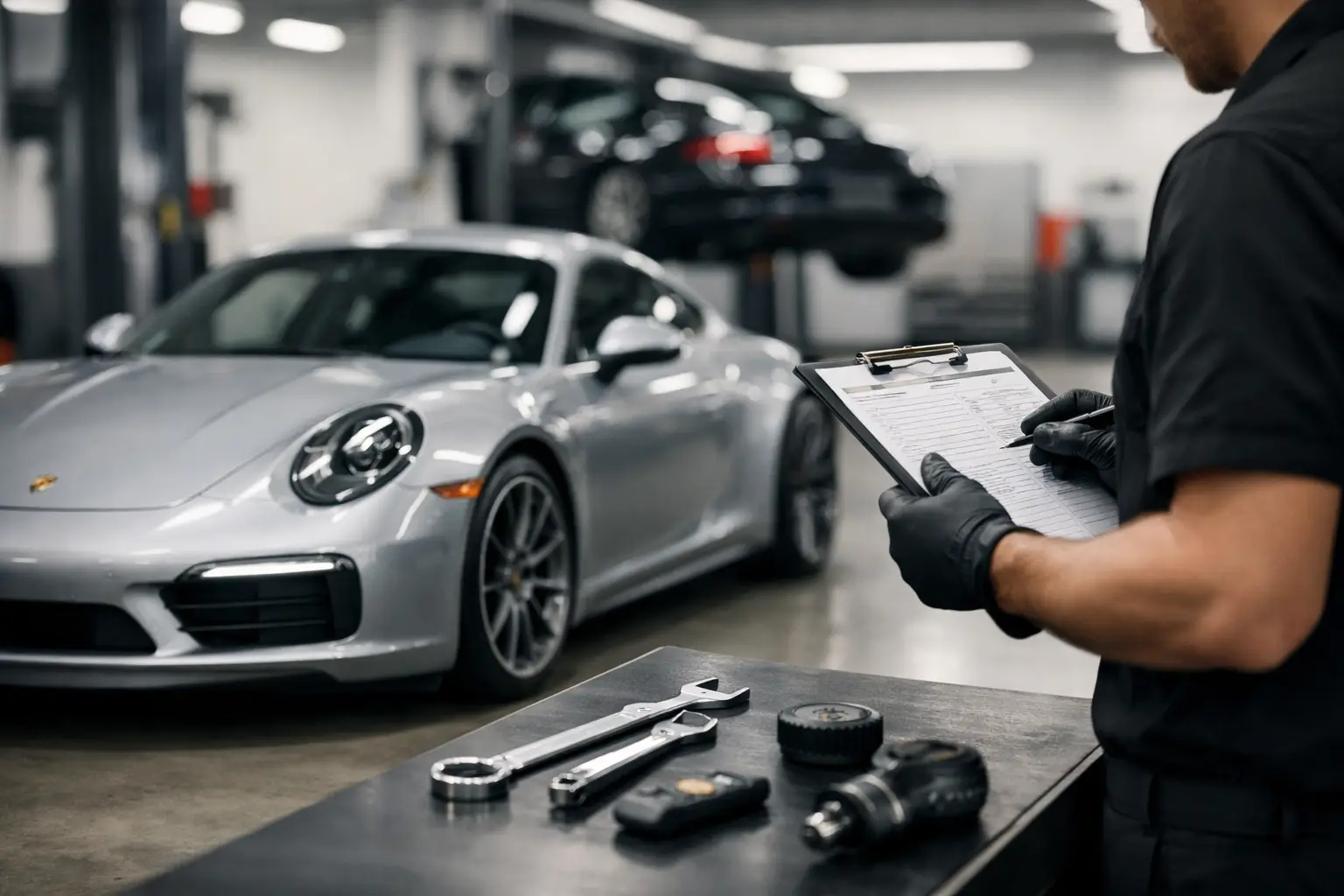
That small reminder on your dash is easy to put off – right up until your Porsche starts feeling a little less precise, a little less smooth, or a lot more expensive to own. A good porsche maintenance schedule guide is not about checking boxes for the sake of it. It is about protecting the performance, reliability, and long-term value that made you buy the car in the first place.
Porsche vehicles are engineered to a very high standard, but they are not maintenance-free. In fact, the better the machine, the more important it is to service it correctly and on time. Whether you drive a 911, Cayenne, Macan, Panamera, or Boxster, staying ahead of routine service helps you avoid the kind of wear that turns a manageable visit into a major repair bill.
Why a Porsche maintenance schedule guide matters
Porsche maintenance intervals are designed around more than mileage alone. Time, driving style, climate, and traffic conditions all play a role in how quickly fluids degrade and components wear. A car that sees short trips in suburban traffic around Palatine will age differently than one that spends most of its time on open highways.
That is why the factory schedule is the starting point, not the whole story. If you drive aggressively, sit in heavy traffic, deal with harsh winters, or keep your Porsche for the long haul, a more proactive plan often makes sense. Honest service advice should reflect how you actually use the vehicle, not just what a generic chart says.
General Porsche service intervals
If you want a practical porsche maintenance schedule guide, the easiest way to think about it is by service milestones. Most newer Porsche models follow annual service intervals or mileage-based intervals, often around every 10,000 miles or 1 year, whichever comes first. Major services then build on those smaller visits at longer mileage points.
Every 10,000 miles or 1 year
This is usually the baseline maintenance visit. Oil and filter service is central here, and on a Porsche, oil quality matters. The right oil protects internal components under heat and load, especially in turbocharged and performance-oriented engines.
At this interval, a proper inspection should also include brakes, tires, fluid levels, suspension components, battery condition, and a scan for fault codes. This is where experienced technicians earn their keep. Catching a small leak, worn bushing, or battery weakness early is a lot less painful than waiting for a breakdown or warning light.
Every 20,000 miles or 2 years
At this stage, your Porsche may need additional inspections and fluid services depending on model and year. Brake fluid service is commonly due every 2 years, regardless of mileage. That is one item owners sometimes overlook, but brake fluid absorbs moisture over time, which can affect braking performance and internal system condition.
Cabin and engine air filters are also commonly checked or replaced around this point. If you drive in dusty conditions or spend a lot of time in stop-and-go traffic, they may need attention sooner.
Every 40,000 miles
This is where maintenance becomes more model-specific. Spark plugs are often due around this interval on many Porsche models, especially turbocharged engines. Certain driveline and transmission-related services may also come into play depending on whether your vehicle is equipped with PDK, all-wheel drive, or other performance systems.
This is also a smart time for a closer look at suspension wear, cooling system condition, and tire wear patterns. Luxury performance vehicles can hide wear well until it starts affecting ride quality, handling, or tire life.
Every 60,000 miles and beyond
By this point, your Porsche benefits from a more comprehensive review. In addition to routine oil service and inspections, you may be looking at drive belt replacement, more in-depth fluid service, ignition component replacement, and attention to age-related rubber and sealing components.
For vehicles kept well past the warranty period, this stage is where a relationship with a knowledgeable independent shop becomes especially valuable. You want recommendations based on condition and experience, not guesswork or blanket upsells.
Porsche maintenance items owners should not ignore
Factory intervals are helpful, but a few service items deserve extra attention because they directly affect reliability and repair costs.
Oil service is the obvious one, but it is also the most important. Stretching oil changes because the car seems to be running fine is risky, especially on turbocharged engines or vehicles used for spirited driving. Fresh, correct-spec oil is cheap insurance compared to engine wear.
Brake fluid service is another big one. Porsche braking systems are engineered for high performance, and that performance depends on clean fluid. Waiting too long can lead to reduced braking confidence and additional wear inside the system.
Tires and alignment matter more than many owners realize. A Porsche can still feel good on the road while quietly wearing through expensive tires due to alignment issues or suspension wear. Regular inspections can save you from replacing tires early and help preserve the sharp handling the car is known for.
Battery health also deserves attention, particularly on newer models packed with electronics. A weak battery can trigger a surprising range of warning lights and drivability complaints. Testing it during routine service is simple and worthwhile.
Model differences can change the schedule
A useful porsche maintenance schedule guide should acknowledge that not every Porsche ages the same way. A Macan used as a daily commuter has different service needs than a weekend 911. A Cayenne carrying families through Midwest winters will not wear like a lightly driven Boxster stored for part of the year.
Turbocharged engines may need closer attention to oil condition and ignition components. SUVs often see more brake and tire wear because of weight and daily-use demands. Performance models may put more stress on cooling, braking, and suspension systems. That does not mean they are unreliable. It means the service plan should match the vehicle and the owner.
This is also why mileage alone can be misleading. A low-mileage Porsche that sits often can still need fluid changes, battery service, and inspections for age-related deterioration. Rubber seals, tires, and fluids do not pause just because the odometer does.
Dealer schedule vs real-world maintenance
Many Porsche owners assume the dealer schedule is the safest possible approach. It is a good reference, but real-world maintenance is often more nuanced. There is a difference between doing the bare minimum to satisfy a schedule and doing what makes sense to keep the vehicle dependable for years.
For example, if you plan to keep your Porsche well beyond the next few seasons, preventive maintenance usually pays off. Replacing worn components before they fail can protect related systems and help preserve the driving experience. On the other hand, not every recommendation needs to be done early or all at once. Good service should prioritize what is necessary now, what can wait, and what should simply be monitored.
That is where transparency matters. You should know what your Porsche needs, why it needs it, and what happens if you delay it. That kind of communication helps owners make smart decisions without feeling pressured.
Signs your Porsche may need service sooner
Even if you follow the mileage schedule closely, your car may ask for attention earlier. Rough idle, longer crank times, uneven braking, vibration, fluid spots in the garage, tire wear on one edge, or a drop in fuel economy are all worth checking out. Small changes in how a Porsche feels are often early warnings, not random quirks.
Modern diagnostic systems help, but they are only part of the picture. The best inspections combine factory-grade scan tools with hands-on evaluation by technicians who know European vehicles. That is how you catch issues before they grow.
Choosing the right shop for Porsche maintenance
Porsche service is not just oil changes and inspections. It requires model-specific knowledge, the right equipment, and a shop that understands how these vehicles are built. Generic maintenance can get expensive fast when the wrong fluid, incorrect procedure, or incomplete diagnosis creates bigger problems later.
That is why many owners look for an independent specialist instead of defaulting to the dealership. A shop like Wizard Werks can provide dealership-level care with a more personal process, clearer communication, and a stronger focus on practical recommendations. For many drivers in the northwest suburbs, that means expert service without paying for unnecessary extras.
A good Porsche maintenance plan should feel straightforward. Keep up with annual service, do not ignore fluid intervals, pay attention to wear items, and adjust the schedule based on how you actually drive. When your shop is honest about priorities and experienced with the brand, maintenance becomes a lot less stressful – and your Porsche stays what it should be every time you start it: responsive, refined, and ready to drive.